Color Migration That
Ruins Adjacent Fibers
Dye Bleed Treatment in Flagstaff for Vintage and Hand-Dyed Rugs
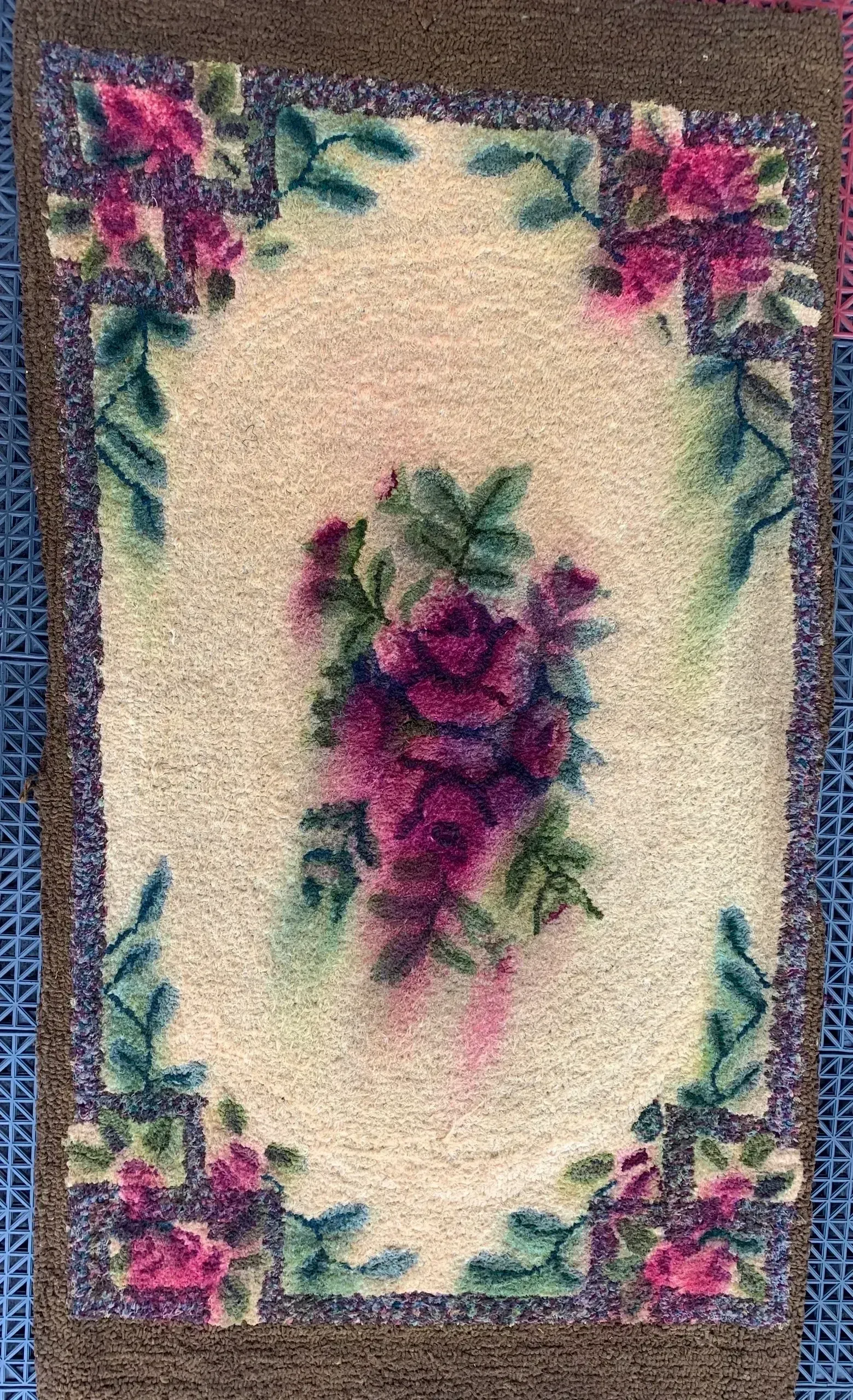
Untreated natural dyes in vintage and hand-dyed rugs bleed during cleaning or steam exposure, causing irreversible staining when one color migrates into adjacent lighter fibers. Arizona Rug Spa applies pH-neutral fixative solutions before full washing to stabilize dye compounds and prevent the color cross-contamination that occurs when moisture reaches unstable vegetable or synthetic dyes. High-elevation humidity fluctuations in Flagstaff accelerate dye migration during cleaning, making pre-treatment essential for rugs with natural colorants or older synthetic dyes that have degraded over time.
The treatment addresses dye instability caused by age, previous improper cleaning, or original dye formulation that did not include adequate fixation. A pre-clean stability test identifies which colors are vulnerable to bleeding, and controlled moisture exposure seals dyes before the rug undergoes full immersion or agitation. Post-treatment verification confirms that colors remain stable under wet conditions.
Request a dye stability assessment if your rug features deep reds, blues, or blacks adjacent to lighter tones..
Why Moisture Triggers Color Loss
Dye molecules that are not chemically bonded to fiber release when exposed to water, pH shifts, or heat, and once migration begins, the color permanently transfers to surrounding areas. The fixative application creates a stable bond between dye and fiber, preventing the release that occurs during washing, rinsing, or drying. This step is performed on every vintage or hand-dyed rug as a standard checklist item, not as an optional add-on service.
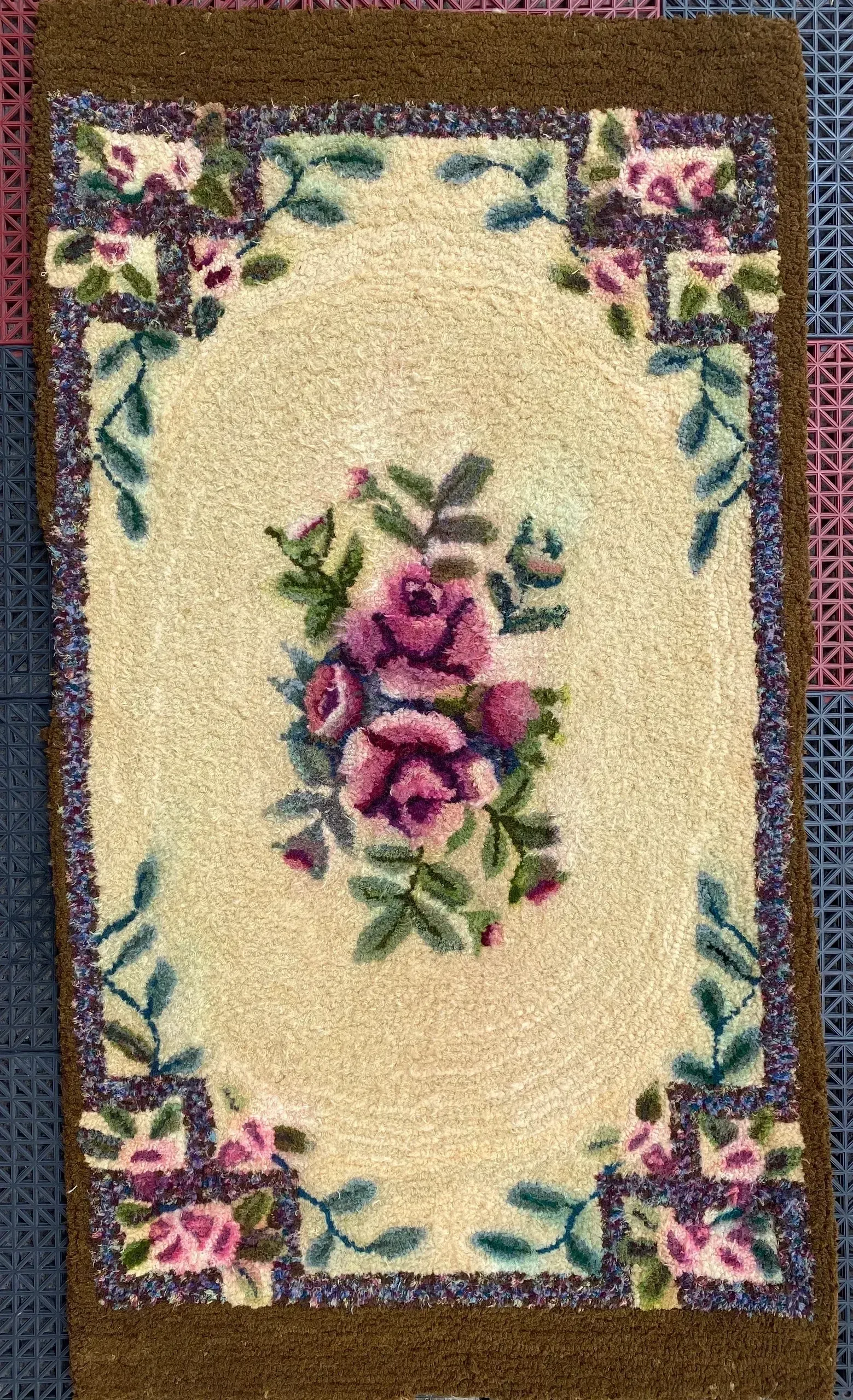
You notice that colors remain vivid and distinct after cleaning, with no halo effects or muddy tones where dyes have bled into lighter areas..
The rug's original color contrast is preserved, and fibers that were previously at risk of permanent staining remain unaffected. Without this treatment, even a single cleaning cycle can cause dye bleed that cannot be reversed.
The process includes application of fixative solutions and post-treatment stability verification but does not restore color that has already bled from prior improper cleaning. Rugs with existing dye bleed may require color correction or re-dyeing, which are separate restoration services beyond standard treatment..
Common Questions Before Treatment
Dye bleed treatment prevents color migration during cleaning, and property owners in Flagstaff often ask how the process works and when it becomes necessary.
What causes dye to bleed during rug cleaning?
Dyes that are not chemically fixed to fiber release when exposed to water, agitation, or pH changes, allowing color molecules to migrate into adjacent lighter fibers where they bond permanently.
How does a dye stability test identify at-risk colors?
A white cotton pad dampened with pH-neutral solution is pressed against each color; if dye transfers to the pad, the color requires fixative treatment before the rug is washed.
When should dye bleed treatment be performed rather than skipped?
Any rug with natural dyes, vintage synthetic dyes, or deep saturated colors adjacent to lighter tones requires treatment, as a single cleaning without fixation can cause irreversible cross-contamination.
What happens if dye bleed treatment is not applied before washing?
Colors migrate into lighter areas during agitation and rinsing, creating permanent halos, muddy tones, or complete loss of color contrast that cannot be removed or reversed.
Why do Flagstaff's humidity conditions increase dye bleed risk?
High-elevation moisture and humidity fluctuations cause fibers to absorb water unevenly, which accelerates dye release and migration during the cleaning process or when rugs are exposed to steam or wet conditions.
Arizona Rug Spa performs dye stability testing on every vintage and hand-dyed rug before cleaning begins, and the treatment is documented in the written service checklist. Schedule a pre-clean evaluation to identify which colors in your rug require fixative application to prevent permanent dye migration.